Why Aggregate Testing?
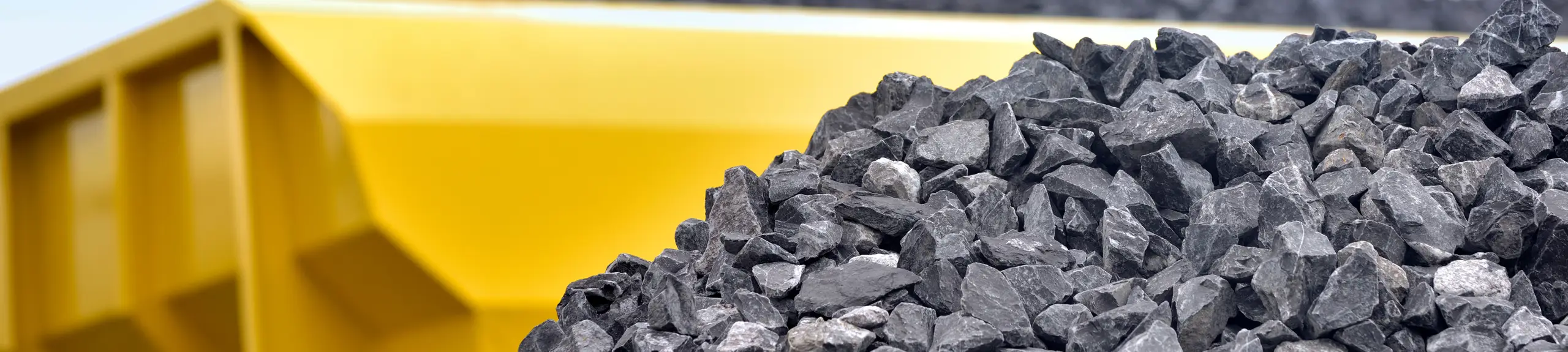
Aggregate testing determines the physical, mechanical, and chemical properties of materials such as quarried stone, sand, gravel, and recycled aggregates. These materials form the foundation of roads, drainage systems, earthworks, and pavements, so their quality directly affects performance and durability.
Without proper aggregate testing, materials may be weak, poorly graded, or chemically unstable, leading to premature failure, non-compliance, and increased maintenance or replacement costs. An appropriate aggregate test programme confirms that materials are suitable for their intended use and meet required regulatory and contractual requirements.

Have a Question?
Let’s Find What You Need
Our Aggregate Test Services
CTS offers a comprehensive range of aggregate testing services carried out in purpose-built, air-conditioned, and temperature-controlled UKAS-accredited laboratories. We test quarried stone, recycled aggregates, and demolition-derived materials using agreed testing schedules based on production volumes and material consistency.
Physical and Mechanical Aggregate Testing
Physical and mechanical tests evaluate how aggregates behave under load, movement, and environmental exposure. These tests help determine the strength, durability, and long-term performance of the materials.
For aggregates that must withstand traffic loading or repeated stress, validation can include tests for the mechanical and physical properties which assess resistance to fragmentation, abrasion, and wear. We also test quarry stone grades to confirm consistency and suitability for specific uses.
Grading and Particle Size Analysis
Our grading tests measure the particle size distribution of aggregates to verify that materials fall within required limits. Correct grading ensures good compaction, drainage performance, and structural stability.
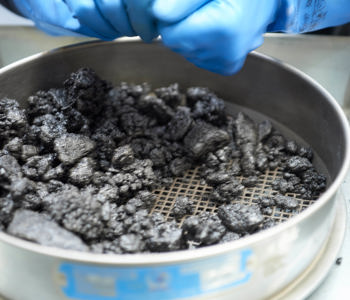
Aggregate sieve testing is a key part of this process, showing how evenly material sizes are distributed and whether the aggregate meets requirements. Results from aggregate grading tests are essential for the validation of materials’ suitability for road construction, drainage layers, and unbound pavements.
Water Content and Density Testing
Water content affects how aggregates handle, compact, and perform when used on site. Aggregate water content testing measures the amount of water present within a material at the time of testing.
This information supports quality control, mix design, and construction planning for a wide range of projects. Frequent water content testing is particularly important where recycled or stockpiled materials are used.
Density testing ensures that the material has been sufficiently compacted to satisfy the specification.
Chemical Aggregate Testing
Our chemical testing services identify substances that may affect aggregate durability or compatibility with other construction materials. This includes testing for sulphates, chlorides, sulfuric content, and loss on ignition, which can influence performance over time.
Chemical aggregate testing identifies potential risks before materials are used on site. It supports compliance with relevant standards and helps prevent long-term issues such as chemical attack, expansion, or premature deterioration within constructed assets.
Recycled Aggregates and Demolition Material Recycling
Recycled aggregate materials are increasingly used to reduce waste, control costs, and support sustainability targets. CTS provides aggregate testing to support demolition material recycling and the compliant use of recycled aggregates in construction.
Testing confirms whether recycled materials can be classified as a product rather than waste under the WRAP Quality Protocol. This can be a significant step to reducing landfill disposal, avoiding landfill tax, and increasing the reuse of valuable materials.
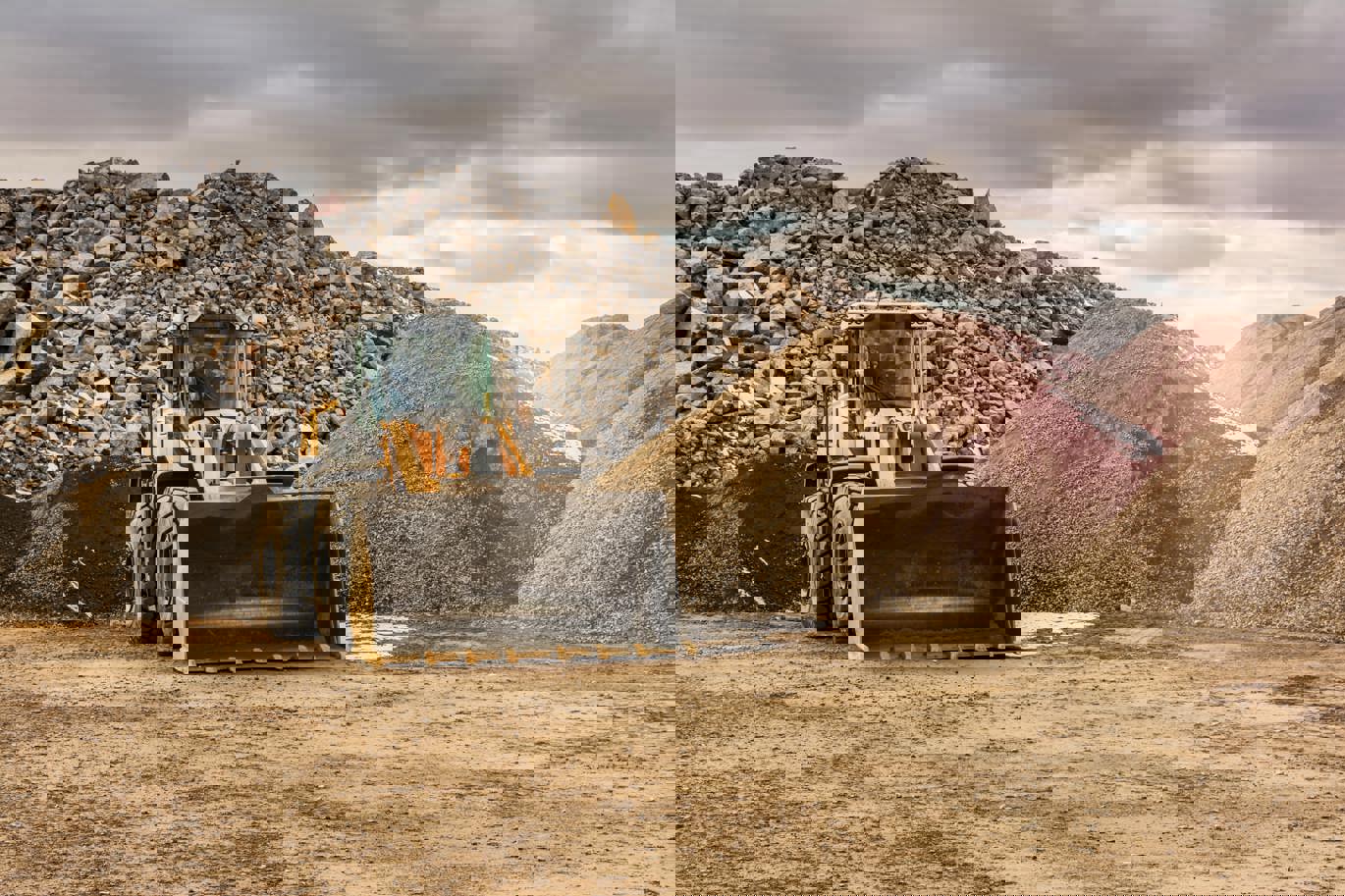
Our aggregate testing labs assess recycled concrete, masonry, asphalt, and other inert demolition materials to ensure they meet British Standards and the Specification for Highway Works.
Standards, Compliance, and Accreditations
CTS verifies compliance with the WRAP (Waste and Resources Action Programme) Quality Protocol and supports testing to the Specification for Highway Works, including CC 500 (Drainage and Service Ducts) (Series 500), CC601 (Earthworks) (series 600), and CC201 (Road Pavements – Unbound) (Series 800).
All aggregate testing is carried out in UKAS-accredited laboratories, providing independent and traceable results that clients can rely on for approvals, audits, and quality assurance. For a full list of our UKAS-accredited activities, please visit our Accreditations and Industry Standards page.
Why Choose CTS for Aggregate Testing?
CTS is recognised as one of the UK’s leading aggregate testing labs, with decades of experience supporting major construction and civil engineering projects.
Our team understands both the technical requirements and the practical challenges faced on-site. We provide clear communication, efficient testing programmes, and reliable reporting, helping clients maximise data value while controlling time and cost across their projects.
Aggregate Testing Standards
CTS offers a wide range of aggregate test services in accordance with relevant British and European Standards, including sampling, grading, physical performance, and chemical analysis. A detailed list of standards is available below for reference.
Aggregate Testing
BS EN 932-1 Sampling
BS EN 932-2 Methods of Reducing Laboratory Samples
BS EN 933-1 Particle Size Distribution
BS EN 933-3 Flakiness Index
BS EN 933-4 Shape Index
BS EN 933-5 Percentage of Crushed and Broken Surfaces
BS EN 933-11 Constituent of Coarse Recycled
BS EN 1097-1 Micro Deval Coefficient
BS EN 1097-2 Resistance to Fragmentation LA
BS EN 1097-3 Loose Bulk Density and Voids
BS EN 1097-5 Water Content
BS EN 1097-6 Particle Density/Water Absorption
BS EN 1367-2 Magnesium Sulphate Soundness
BS 6100 2.2.1 Uniformity Coefficient
Chemical Aggregate Testing
BS EN 1744 1:2009 + A1:2012 Clause 7
Water soluble chloride salts using the Volhard Method
BS EN 1744 1:2009 + A1:2012 Clause 10.1
Water soluble sulfates in natural and manufactured aggregates
BS EN 1744 1:2009 + A1:2012 Clause 11.2
Total sulfur content by high-temperature combustion
BS EN 1744 1:2009 + A1:2012 Clause 13
Acid soluble sulfides
BS EN 1744 1:2009 + A1:2012 Clause 1
Acid soluble sulfates
BS EN 1744 1:2009 + A1:2012 Clause 17
Loss ignition
Contact CTS
To find out more about our aggregate testing services, please contact a member of the CTS team. We would be happy to discuss your project requirements and explain how our aggregate testing labs can support your compliance, performance, and sustainability goals.

Request a Quote
Frequently Asked Questions
What are recycled aggregate materials?
Recycled materials are inert waste aggregate derived from crushed concrete, crushed bricks, masonry, bituminous materials, municipal incinerator bottom ash, air-cooled blast furnace slag, basic oxygen furnace slag, and electric arc furnace slag.
How is recycled aggregate made?
Recycled aggregate is generally made from the reprocessing of inert materials, which involves activities such as crushing, mixing, or grading aggregate in accordance with the relevant British Standard and WRAP Protocol
What is recycled concrete aggregate used for?
There are a number of end uses for recycled concrete aggregate that conform to British Standards and the Specification for Highway Works. These include road construction, drainage layers, earthworks, and other unbound applications.
Is recycled aggregate cheaper?
Yes. Recycled aggregate is less expensive to produce, reduces the volume of material sent to landfill, and lowers landfill tax costs. It also reduces the demand for virgin materials, helping conserve natural resources.
How are quarry stone grades tested and verified?
Quarry stone grades are tested through a combination of grading, strength, and durability tests. Aggregate tests confirm that the material meets specification limits and remains consistent across production batches.
What do the results of an aggregate grading test indicate about material quality?
Aggregate grading test is carried out with various sizes of sieves to show the particle size distribution of a material. The results indicate whether the aggregate is well graded, poorly graded, or gap graded, which directly affects compaction, drainage, and structural performance.
What types of demolition materials are suitable for recycling into aggregates?
Suitable demolition materials include crushed concrete, masonry, bricks, asphalt, and other inert materials. These materials must be tested to confirm they meet grading, performance, and chemical requirements before reuse.
What is an aggregate water content test, and when should it be performed?
An aggregate water content test measures the amount of water contained within an aggregate. It should be performed during quality control, before use in construction, or when materials have been exposed to weather or long-term storage to confirm whether the aggregate meets specification limits and is suitable for its intended construction application.
Related Articles

Recycled Aggregates in Construction
The Use of Recycled Aggregates in Construction: A Sustainable Solution