What is Soil Stabilisation?
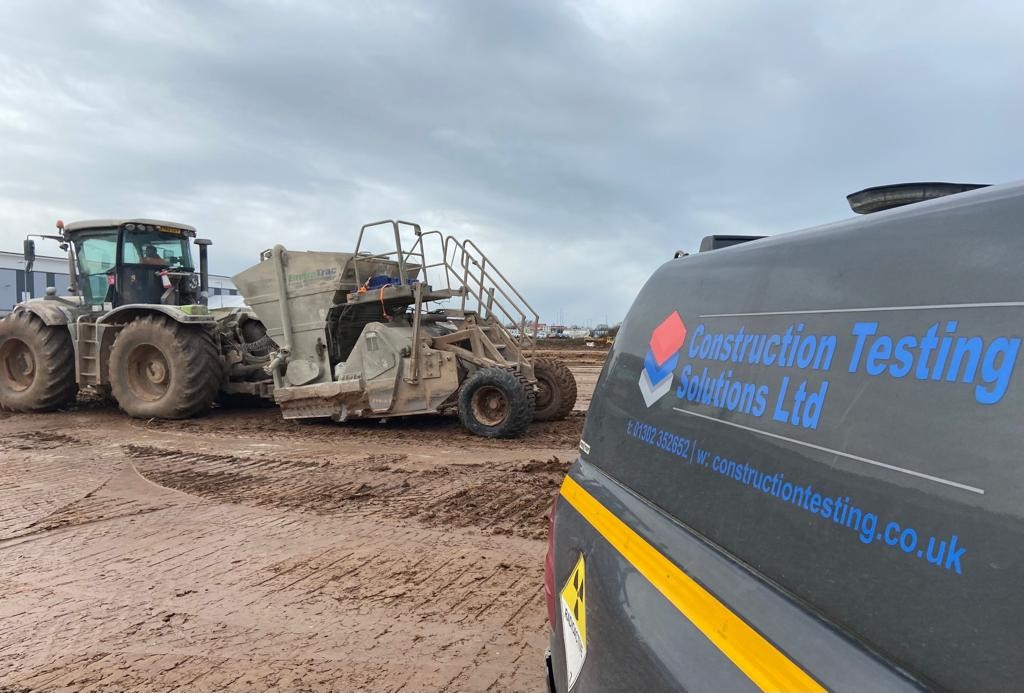
The practice of soil stabilisation has been a construction industry standard for many years.
The effective reuse of site-won materials has widespread mechanical, financial, and environmental benefits; and as such, the accurate testing of materials is essential.
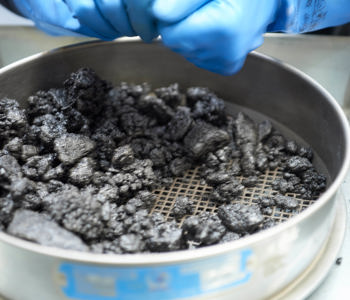
The initial analysis is used to determine the physical, chemical, and organic properties of soils, to establish their suitability for stabilisation or reuse. Sub-samples are prepared and analysed to establish the site-specific mix design required to engineer the desired end product.
Post-stabilisation testing is also an essential part of the process, to ensure the finished product meets client design and compliance specifications.
* For a full list of our UKAS-accredited activities, please visit our Accreditations and Industry Standards

Soil Stabilisation Services
At CTS our experienced accredited engineers undertake the following soil stabilisation services:
Site investigation
Hand and mechanically excavated trial pits with associated sample recovery
Laboratory trials
Scope to assess soil properties by material classification and improvements to host materials following the addition of appropriate binders
Field control testing
On-site control tests include pulverisation, MCV, in-situ CBR tests, plate bearing tests, in-situ density/moisture content, and air void percentage by nuclear, core cutter, and sand replacement methods

Soil Stabilisation Laboratory Testing
At CTS our soil stabilisation testing services include a comprehensive range of evaluations such as:-
- Trial mixes for stabilised materials including Moisture Condition Value (MCV), Remoulded California Bearing Ratio including 28-day swell potential, Hand Shear Vane (HSV) and MCV/MC Relationship
- Compaction characteristics (2.5kg and 4.5kg compaction effort)
- Particle density
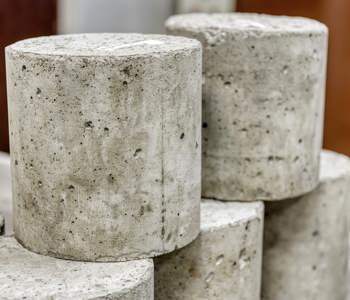
- Compressive strength of cubic and cylindrical specimens for both soils and cement-bound granular material (CBGM)
- Initial consumption of lime and chemical testing (TRL447 and EN1744 sulphate suite)
- Frost heave of a stabilised cured specimen
- Quick Undrained Shear Strength (QUSS) and large shear box with the capability for specimen curing periods
Why Choose CTS for Soil Stabilisation Testing?
CTS has been a leading provider of soil stabilisation services for more than a decade. Our experienced team of site and laboratory engineers are on hand to provide advice and support, whatever the final use of the stabilised material.
To find out more about our soil stabilisation testing services, please get in touch with a member of the CTS team today, and we’ll be more than happy to answer any questions you may have regarding our services and how we can help you.
Have a Question?
Let’s Find What You Need

Request a Quote
Frequently Asked Questions
What is soil stabilisation?
Soil stabilisation is a construction process used to improve the engineering properties of on-site soils. By introducing carefully selected binders into the ground, the soil’s strength, durability, and load-bearing performance can be significantly enhanced, transforming unsuitable or poor-quality material into a stable foundation for construction and infrastructure projects.
What are the types of soil stabilisation?
The primary method of soil stabilisation involves the addition of lime and/or cement powder to create a hydraulically bound material.
- Lime Stabilisation: Commonly used for heavy, wet clay soils to reduce moisture content and improve workability.
- Cement Stabilisation: Typically used for granular soils, or following lime treatment, to provide long-term strength and stiffness.
- Mechanical Stabilisation: Improves stability through physical methods such as compaction or blending materials with differing material compositions or size distributions.
Why is soil stabilisation important?
Soil stabilisation allows unsuitable construction materials, such as wet cohesive clays, to be reused on-site as compliant engineering material. The addition of binders, such as quicklime, alters the soil’s moisture content and improves stiffness and performance.
By reducing the need to excavate and dispose of unsuitable material, soil stabilisation can deliver significant programme, cost, and environmental benefits. Accurate testing and analysis are essential to ensure the stabilised material meets project and design requirements.
What is a CBR test?
The California Bearing Ratio (CBR) test can be carried out either in a laboratory or on-site to assess the strength and bearing capacity of soils and unbound materials.
In a laboratory CBR test, a prepared and compacted sample is placed in a mould and penetrated by a standard plunger at a controlled rate. The resistance of the material is measured and compared against a standard crushed stone material to determine the CBR value.
An in-situ CBR test follows a similar penetration principle but is performed directly on the ground at the site, allowing the existing soil conditions to be assessed without removing samples for laboratory testing.
CBR values may also be estimated from other testing methods, such as plate load testing, where appropriate, although this is a separate test method from both laboratory and in-situ CBR testing.
How do you calculate CBR from a plate bearing test?
Although a plate bearing test primarily measures the Modulus of Subgrade Reaction (K), the results can be used to estimate a CBR value using empirical correlations such as:
- CBR = 6.1 × 10^(-8) × (k762)^1.733 (approximate, depending on plate size and soil type)
The correlation used will vary depending on factors such as plate size and soil type. As plate bearing tests assess a larger volume of material than a standard CBR test, conversions should always be interpreted carefully. At CTS, our experienced engineers provide accurate analysis and testing to inform project specifications and design requirements.
Related Articles

Soil Stabilisation in the Construction Industry
Exploring the importance of soil stabilisation for the construction industry and highlighting its numerous benefits.

Strong Foundations Start Here: Soil Stabilisation Testing Explained
Discover CTS’s expertise on how soil stabilisation testing methods can strengthen weak ground, prevents erosion, and ensure lasting foundations for construction and landscaping projects.